Protein timing to achieve optimal performance – what does that mean? Protein timing is an important strategy for athletes and individuals looking to achieve optimal performance, especially when it comes to muscle growth, recovery, and overall physical performance. Timing your protein will also will allow you to increase carbohydrates throughout the day and week to achieve greater performance levels.
Understanding Protein and Its Role in the Body
Protein is a fundamental macronutrient composed of amino acids, which serve as the building blocks for tissues, including muscles. When you engage in physical activities, especially resistance training or endurance exercises, your muscles experience stress, leading to microscopic tears in the muscle fibers. The body’s response to this damage is muscle protein synthesis, a process where amino acids are utilized to repair and build stronger muscle fibers. This adaptation is what leads to muscle growth and improved strength. Muscle growth and strength will also translate to improve sport performance – variation of improvement will depend on the sport.
However, for muscle protein synthesis to occur optimally, the body requires a sufficient and timely supply of amino acids. This is where protein timing comes into play. Consuming protein at the right times can enhance MPS, reduce muscle protein breakdown, and improve recovery, all of which contribute to better performance.
The Science Behind Protein Timing
Protein timing involves strategically consuming protein at specific intervals throughout the day to maximise the benefits of muscle protein synthesis. Research suggests that the timing of protein intake can influence the efficiency of muscle repair and growth, particularly when combined with exercise. The concept of the “anabolic window” is more of a marketing term. We want to achieve a daily intake depending on your goals may range between 1g to 2g per of daily body weight.
Effectively – by optimising muscle protein synthesis we improve the process by which the body builds new proteins in muscle cells, leading to muscle growth, repair, and maintenance. This process is vital for muscle recovery after exercise, as well as for overall muscle health and function.
Best way to recover is to adopt the 4:1 carbohydrate-to-protein ratio muscle recovery and glycogen replenishment. Consuming protein after your sessions has also shown to improve you post-exercise mood.
Effectively – I want you to bias carbohydrate with a moderate dose of protein. In science this looks like: 0.8 to 1g of Carbohydrates per your body mass with 0.2-0.4g protein per your body mass.
For example, I weigh 100kg.
To recover I need a banana, x4 jelly babies, flapjack and a squares bar for my carbohydrate intake. Protein intake could be four babybels or chocolate milk (added bonus of extra carbohydrates).
Doing this starts you on a road to recovery – you can’t get more optimal.
Other options could be a smoothie, or a meal if you have the time of chicken breast with baked potato alongside roasted vegetables. Including a side dish of yoghurt and fruit or chocolate milk for dessert.
The Type of Protein Matters
Not all proteins are created equal. You should focus on the quality of proteins to ensure you consume all the amino acids. These include:
Beef
Chicken
Turkey
Eggs
Whey
Soya
Fish
Casein
Diary
Conclusion
I cannot tell you enough how important food timing is in trying to achieve that next level in your performance. Thinking about protein and carbohydrates is how you achieve more than 1% better – it is key and quite simple to achieve. Can you improve your own habits? Also! protein has loads of function and this article only focuses on the muscle side.. we haven’t covered mood, metabolic response and gut health.
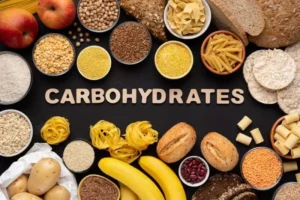
When should you eat for optimal performance refers to food timing and in this article we will discuss carbohydrates specifically. Carbohydrates are not just a source of energy; they are the primary fuel that powers athletic performance, supports recovery, and maintains optimal physical and mental function. Understanding the importance of carbohydrates and their timing can make the difference between reaching peak performance and falling short of goals.
Research is a fundamental process that drives the advancement of knowledge across various fields but how does scientific research work? It is through rigorous investigation,